 how-to
How to Use Martial Arts for Stress Relief
Last Updated: November 1, 2026
Quick Summary
Martial arts for stress relief works by combining vigorous physical activity, focused attention, and deliberate breathing into one practice, which eases the body's stress response while giving your mind a single task to lock onto. Practicing two to three times per week is a common approach for building steady habits and lasting calm.
- Vigorous exercise like punching and kicking drills discharges nervous energy, while stance work builds strength and steadies the breath.
- Training gives you small, safe doses of challenge so the stress response gets less jumpy over time.
- Match your style to your stress: striking or grappling for anger and restlessness, slower styles like Tai Chi for tension.
- Beginners should start with two classes per week, keeping at least one rest day between sessions.
- Visit at least two schools and watch how instructors talk to the least confident student in the room.
Table of Contents
- Why Martial Arts for Stress Relief Works
- Martial Arts for Anxiety: Calming the Stress Response
- Best Martial Arts for Beginners Managing Stress
- Martial Arts and Mindfulness: Training Your Focus
- How Often to Practice Martial Arts for Lasting Calm
- Choosing a School That Supports Psychological Safety
- A Beginner Plan for Using Martial Arts to Manage Stress
- Book Your Free Class at Goshinkan Jujitsu Dojo
- Frequently Asked Questions
Why Martial Arts for Stress Relief Works
Martial arts for stress relief works because it combines vigorous physical activity, focused attention, and deliberate breathing into one practice. That mix can ease the body's stress response while giving your mind a single task to lock onto.
Stress builds up in the body. Shoulders rise. Breathing gets shallow. Movement gets stiff. A martial arts class interrupts that cycle on purpose.
The Physical Side: Releasing Tension Through Movement
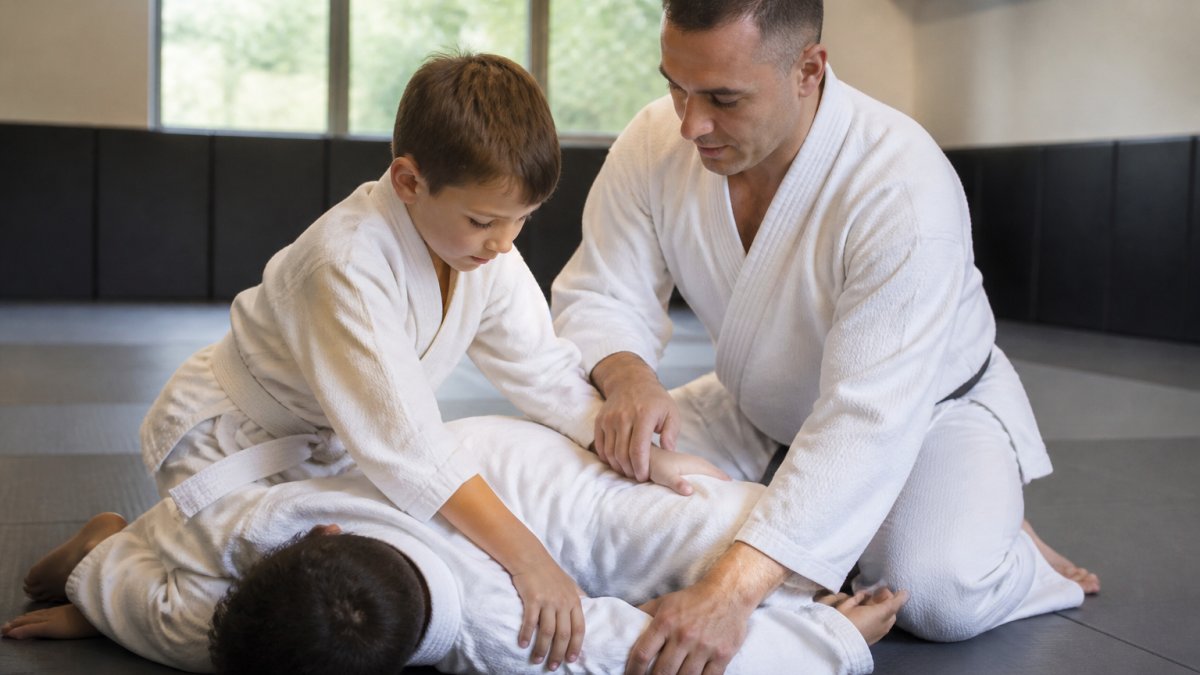
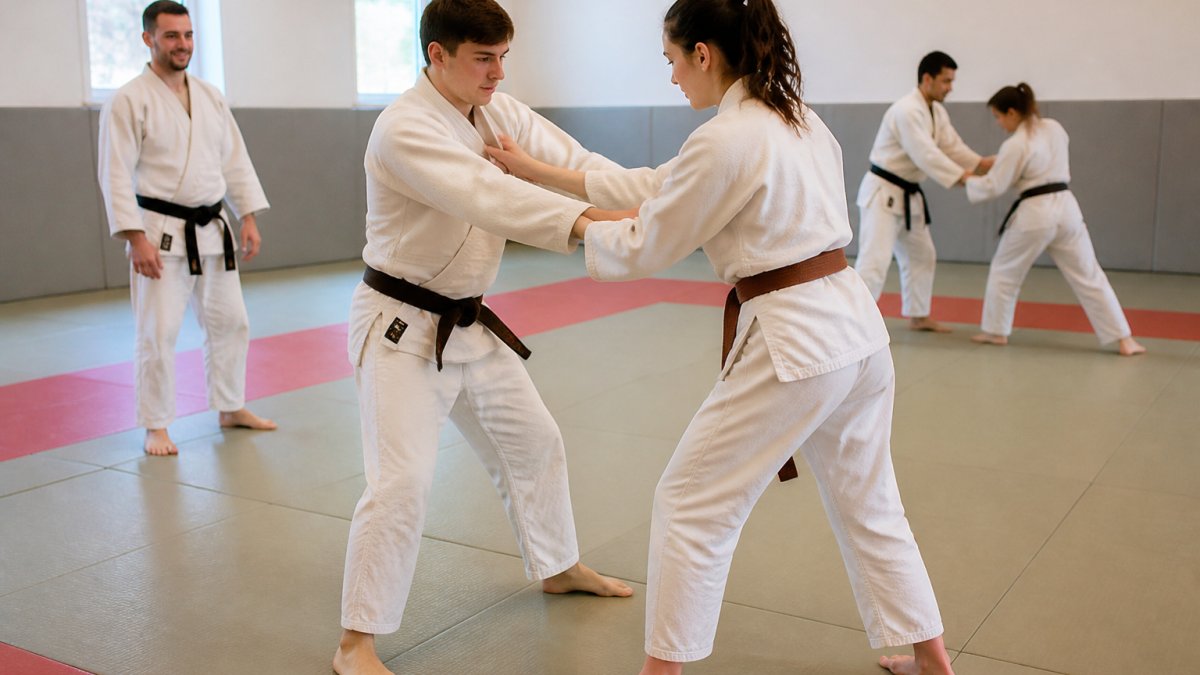
Vigorous exercise is one way people work off built-up nervous energy. Striking a pad, drilling a throw, or holding a stance forces your muscles to work hard, then relax.
- Punching and kicking drills discharge nervous energy
- Stance work builds strength while steadying the breath
- Grappling and technique drills demand full-body control
Martial Arts for Anxiety: Calming the Stress Response
Martial arts can help people practice staying calm under pressure. You face a partner, a drill, or a hard technique, and you learn to breathe through it instead of freezing.
Anxiety feeds on avoidance. Training gives you small, safe doses of challenge. Over time, the stress response gets less jumpy.
- You learn to slow your breathing when nerves spike
- Repetition makes difficult movements feel normal
- A structured environment removes guesswork
A common mistake is treating one class as a cure. Calm usually builds through repetition, not a single session.
Best Martial Arts for Beginners Managing Stress
The best martial arts for beginners are the ones that match your body, your schedule, and what actually stresses you out. There is no single winner. The right style depends on whether you need to burn energy or slow down.
Matching a Style to Your Stress Triggers and Ability
Ask what your stress feels like. If you carry anger or restlessness, a style with striking or grappling gives that energy somewhere to go. If your stress shows up as tension and racing thoughts, slower styles may fit better.
| Style | Best For | Movement Pace | Beginner Friendly |
|---|---|---|---|
| Jujitsu | Anger management, self-defense | Moderate | Yes |
| Tai Chi | Tension release, body awareness | Slow | Yes |
| Karate | Discipline, focus | Moderate to fast | Yes |
| Kickboxing | Burning off restless energy | Fast | Yes |
If you are new to self-defense, a complete guide to self-defense classes for beginners can help you compare options before you commit.
Martial Arts and Mindfulness: Training Your Focus
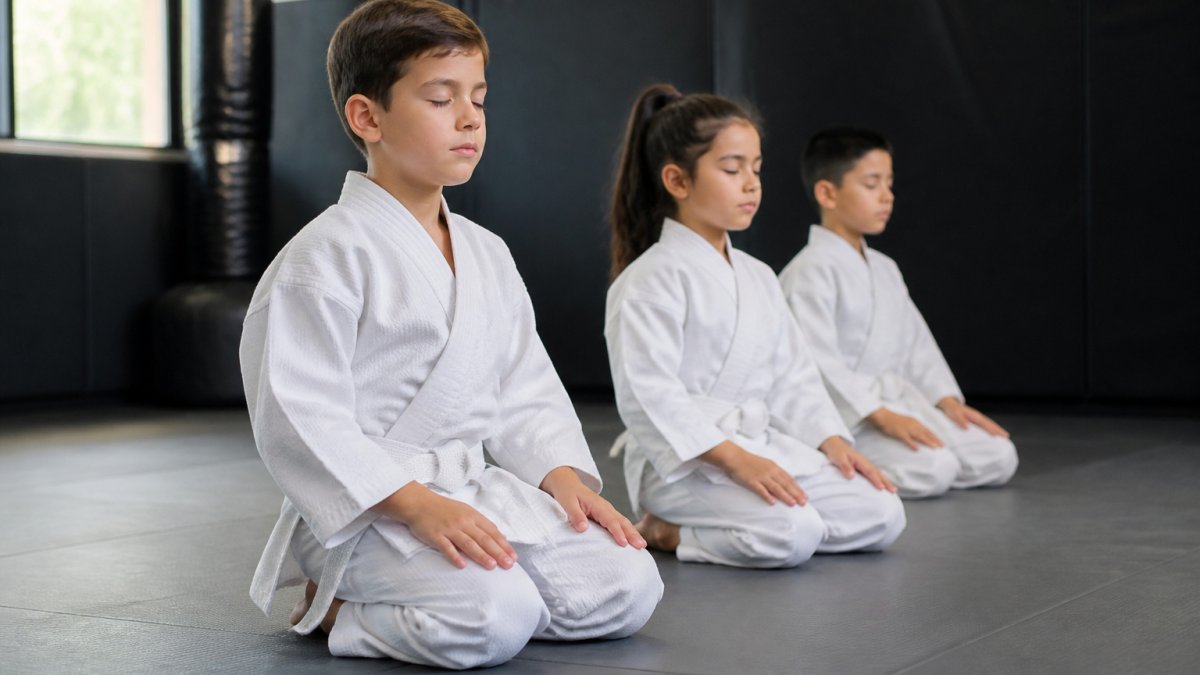
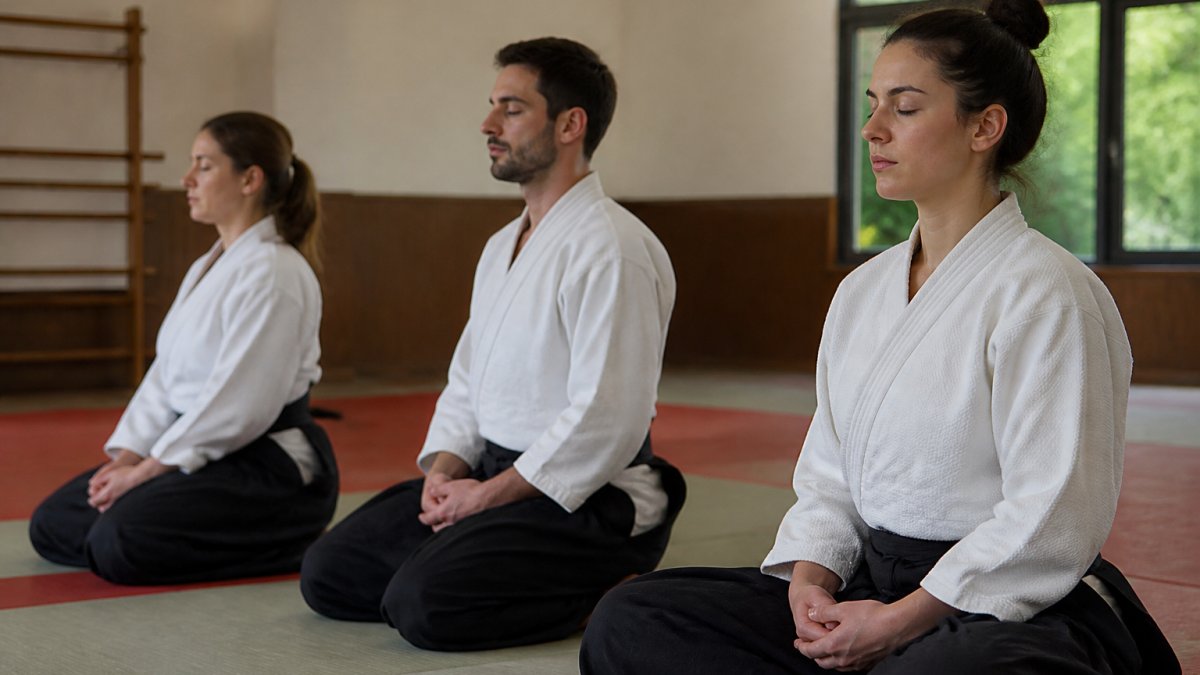
Martial arts and mindfulness overlap more than people expect. Every technique demands your full attention. Miss the grip, the angle, or the timing, and the move fails.
Mental focus grows because distraction has a cost. You cannot replay a work argument while someone is throwing a punch at your guard.
- Body awareness sharpens through stance and balance work
- Concentration improves with each repeated drill
- Deep breathing becomes automatic under effort
For a deeper look, this practical guide to building focus through martial arts breaks the process into steps.
How Often to Practice Martial Arts for Lasting Calm
Practicing two to three times per week is a common approach for building steady habits. That pace gives your body time to recover and your mind enough repetition to build new habits.
Consistency beats intensity. A steady training routine of short, regular sessions does more for mood and stress management than occasional long workouts.
- Two classes weekly is a realistic starting point
- Add short home practice between classes
- Track your mood after each session
What most guides miss is recovery. Rest days are part of the training, not a break from it.
Choosing a School That Supports Psychological Safety
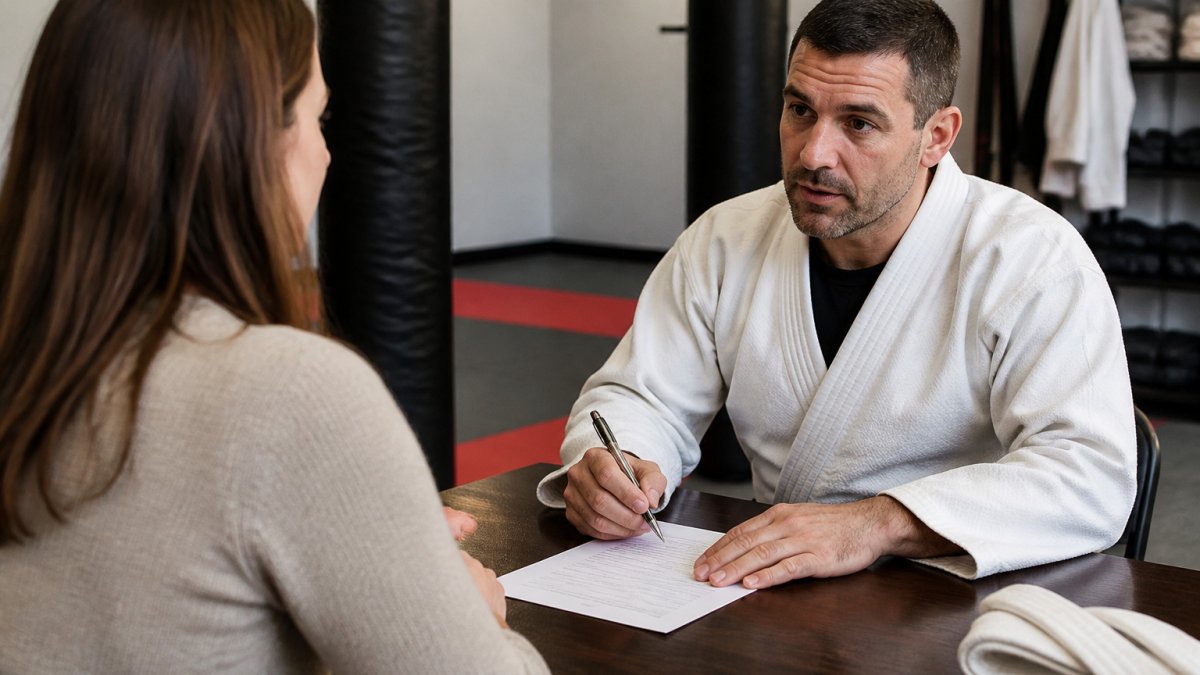
Psychological safety means you can make mistakes, ask questions, and opt out of an exercise without shame or pressure. To see why that culture pays off, read about the benefits of a martial arts community. For a stressed or anxious beginner, that culture matters more than the style. Use the checklist below to evaluate a school before you commit.
Questions to Ask About Class Culture
- How are beginners corrected? Listen for language like "try this" rather than "you're doing it wrong." Ask whether you can observe a beginner class before signing up.
- Can students go at their own pace? A school that lets you sit out a drill, take a water break, or skip a sparring round without a lecture is a good sign.
- What happens when someone makes a mistake? Instructors who use mistakes as teaching moments, not punishments, create safer rooms for anxious adults.
Consent and Contact
- Is contact explained before it happens? A good instructor tells the class what a drill involves, demonstrates it, and lets students opt out.
- Is there a clear tap or stop signal? In grappling and sparring, every student should know the tap signal and respect it immediately.
- Is sparring optional and staged? Beginners should not be thrown into live sparring in their first month. Ask whether sparring is introduced gradually and whether protective gear is required.
Instructor Qualifications
Ask what credentials the instructor holds and whether they are current. Common credentials include rank certifications from a recognized governing body, first-aid and CPR training, and, for youth programs, background checks. A school that cannot or will not answer these questions plainly is a warning sign.
Trauma Sensitivity and Accessibility
- Can you train without being touched? Some students need to start with solo drills, bag work, or slow forms before partner work.
- Is the space accessible? Check parking, mat access, seating for observers, and whether the school offers seated or modified versions of techniques.
- Are there quiet spaces or lower-stimulation classes? Loud music, crowded mats, and fast pacing can overwhelm anxious beginners. Ask whether quieter or smaller classes exist.
Red Flags
- Instructors who mock or single out nervous students
- Pressure to spar or sign a contract before you have observed a class
- No clear stop signal or consent practice in contact drills
A Beginner Plan for Using Martial Arts to Manage Stress
Most guides tell you to "start slow" and leave it there. A workable plan needs a schedule, a recovery rule, and a way to tell whether training is actually helping. Use the four-week structure below as a template, then adjust it to your body and calendar.
Weeks 1-2: Establish the Habit
- Class frequency: Two classes per week, ideally with at least one rest day between them. Two sessions is enough to build the habit without overwhelming a deconditioned body.
- Session length: Attend the full beginner class if you can, but tell the instructor it is your first month. Many schools will let you sit out high-impact drills or step off the mat for a water break.
- Home practice: Five minutes of slow breathing or a short stance hold on non-class days. Keep it short enough that you will actually do it.
Weeks 3-4: Add Volume Carefully
- Class frequency: Stay at two classes per week unless you feel fully recovered between sessions. Adding a third class before your body adapts is the most common way beginners get hurt or burned out.
- Home practice: Add one 10-minute session of stretching or a single technique drill on a non-class day.
- Sleep check: Note how you sleep on class nights versus non-class nights. Many beginners report falling asleep faster after a vigorous class, but intense evening training can also disrupt sleep for some people. If your sleep gets worse, move class earlier in the day.
Month 2: Build Consistency
- Class frequency: Three classes per week is a reasonable ceiling for a beginner. More than that usually means less recovery, not more progress.
- Cross-training: One or two short walks or mobility sessions per week support recovery without adding training load.
- Recovery rule: Take at least one full rest day per week. Rest is part of the plan, not a break from it.
Month 3: Review and Adjust
- Reassess frequency: If you are consistently recovering well and sleeping normally, you can hold at three classes per week. If you feel flat, irritable, or sore most days, drop back to two.
- Check your stress signals: Compare how you felt in week one to how you feel now. Look at patience, sleep, and how quickly you recover from a frustrating moment.
Simple Ways to Track Whether It Is Working
You do not need an app or a wearable. A notebook or a note on your phone is enough. Once a week, rate four things on a simple scale:
- Perceived stress: How stressed did this week feel overall, from low to high?
- Mood after class: Better, same, or worse than before class?
- Sleep quality: Did you fall asleep easily and wake up rested?
- Attendance and recovery: How many classes did you attend, and how sore were you the next day?
A common pattern is that stress and mood ratings improve gradually over four to eight weeks while attendance stays steady. If nothing changes after two months of consistent training, that is useful information, it may mean the style, the schedule, or the school is not the right fit, not that martial arts does not work for you.
Book Your Free Class at Goshinkan Jujitsu Dojo
You do not have to figure this out alone. Our expert instructors welcome all ages and skill levels, and we build a training environment that promotes camaraderie and personal growth. Beginners get patient coaching, not pressure.
Ready to start? Follow our step-by-step guide to booking a trial class and see how martial arts for stress relief feels in practice. For the bigger picture, read our guide to the benefits of martial arts for adults.
Frequently Asked Questions
Can martial arts help relieve stress and anxiety?
Yes. Training combines physical activity, structured focus, and breathing, which together can ease the stress response. The exercise releases built-up tension, the routine gives your mind a clear task, and the community adds social support. Results build over weeks of regular practice, not a single session, so treat it as an ongoing habit rather than a quick fix.
Which martial arts are best for stress relief?
It depends on what calms you. Tai Chi and other slow-movement styles suit people who want gentle body awareness and deep breathing. Jujitsu, karate, and boxing appeal to those who release tension through vigorous exercise. For beginners, the best martial arts are the ones near you with patient instructors and a welcoming class. Try a free session in two styles and notice which one leaves you feeling calmer afterward.
How often should you practice martial arts to manage stress?
Two to three classes a week is a practical starting point for most beginners. That gives enough repetition to build the focus and breathing habits that carry into daily life without overloading your schedule. Consistency matters more than volume, so pick times you can keep. If you travel or work irregular hours, ask about flexible scheduling before you commit.
What should you look for in a martial arts class if you feel anxious?
Look for a school that lets you observe or try a class before joining, pairs beginners with experienced students, and explains drills before asking anyone to perform them. Ask how they handle a student who needs to sit out or go at a slower pace.
Stress does not disappear on its own, and waiting for a calmer season rarely works. Goshinkan Jujitsu Dojo offers expert-led classes, a supportive community, and training built around discipline and perseverance for every age and skill level. Get started with Goshinkan Jujitsu Dojo and book a free class to see how training changes your week.