 how-to
Book a Martial Arts Trial Class: Complete Guide
Table of Contents
- Why Book a Martial Arts Trial Class First
- What to Expect at a Martial Arts Trial Class
- Martial Arts Trial Class Etiquette and What to Bring
- How to Choose a Martial Arts School That Fits Your Goals
- Karate Classes for Kids: Getting Your Child Started
- Step-by-Step: How to Book Your Trial Class
- Questions to Ask Before Committing to Membership
- Frequently Asked Questions
Last Updated: October 21, 2026
Why Book a Martial Arts Trial Class First
The biggest mistake parents make is committing to a full membership without taking the time to book martial arts trial class first to test the environment.
At Goshinkan Jujitsu Dojo, we encourage families to experience a class before signing up. You'll see firsthand how instructors handle beginners, how they balance discipline with encouragement, and whether the environment feels right for your child.
A trial class also answers practical questions: Are class times flexible? Does the instructor adapt to different learning styles? Is the space clean and well-maintained?
What to Expect at a Martial Arts Trial Class
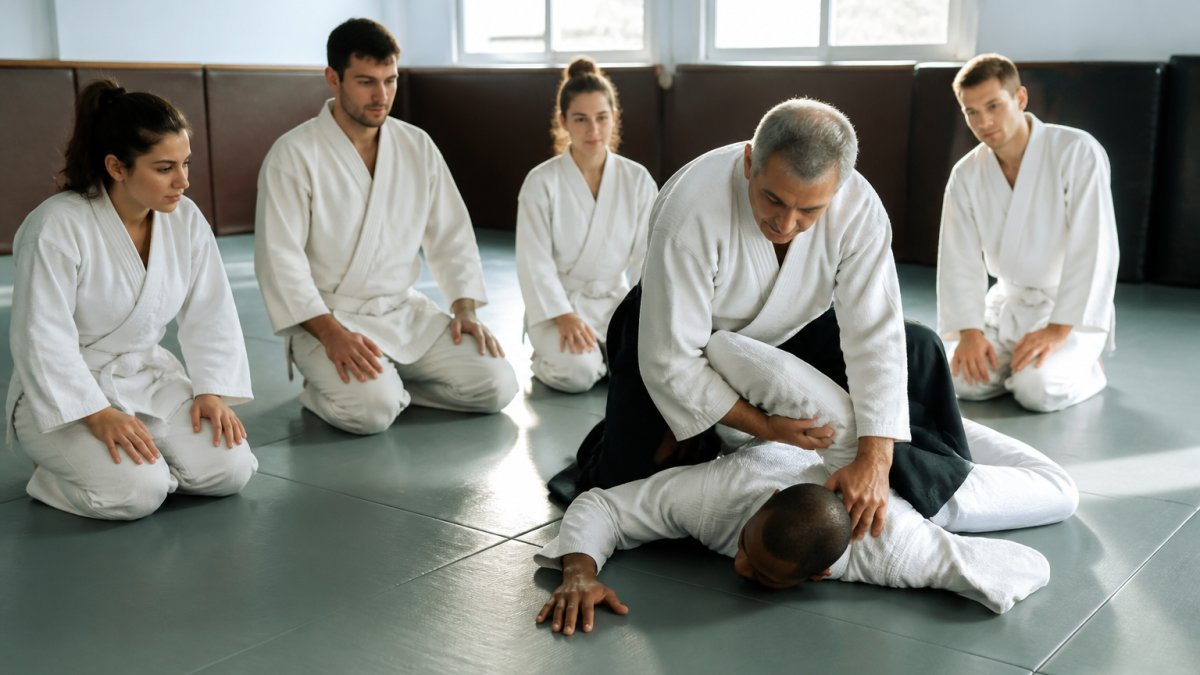
Your first class follows a predictable structure designed to welcome beginners while maintaining focus and discipline. Understanding this flow removes anxiety and helps you prepare.
Class Structure and Duration
Most martial arts trial classes run 45 to 60 minutes. The first 10 minutes cover the basics: proper stance, fundamental movements, and safety protocols. Beginners learn by doing, not by sitting through lectures.
The middle portion focuses on foundational techniques: simple strikes, blocks, or grappling movements depending on the style. The instructor demonstrates each movement slowly, then has you repeat it.
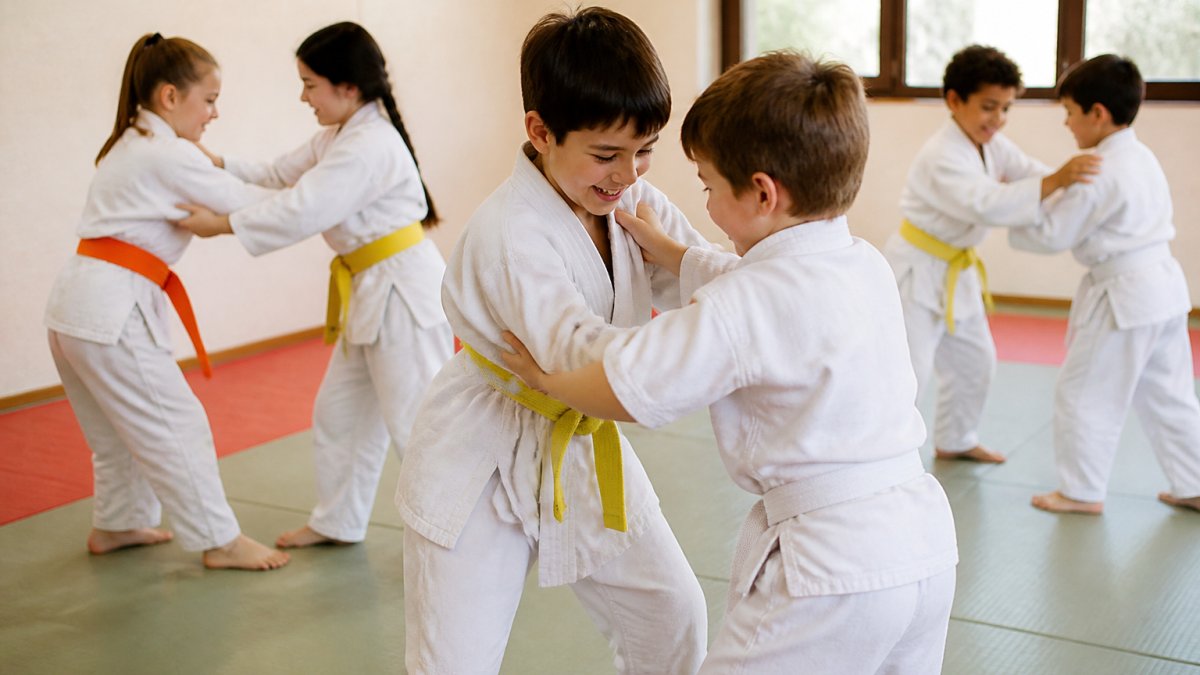
The final 10 to 15 minutes typically includes light conditioning or partner drills, where you'll feel the physical demand of training. Your heart rate will go up and you might sweat. That's intentional, showing you what consistent training feels like.
Instructor Interaction and Feedback
A quality instructor notices you're new and adjusts their attention accordingly, checking your form, offering corrections, and making sure you understand before moving forward.
Pay attention to how the instructor speaks to students. Do they pair encouragement with correction? Do they explain the "why" behind techniques, or just bark orders? These patterns reveal the dojo's culture more clearly than any marketing.
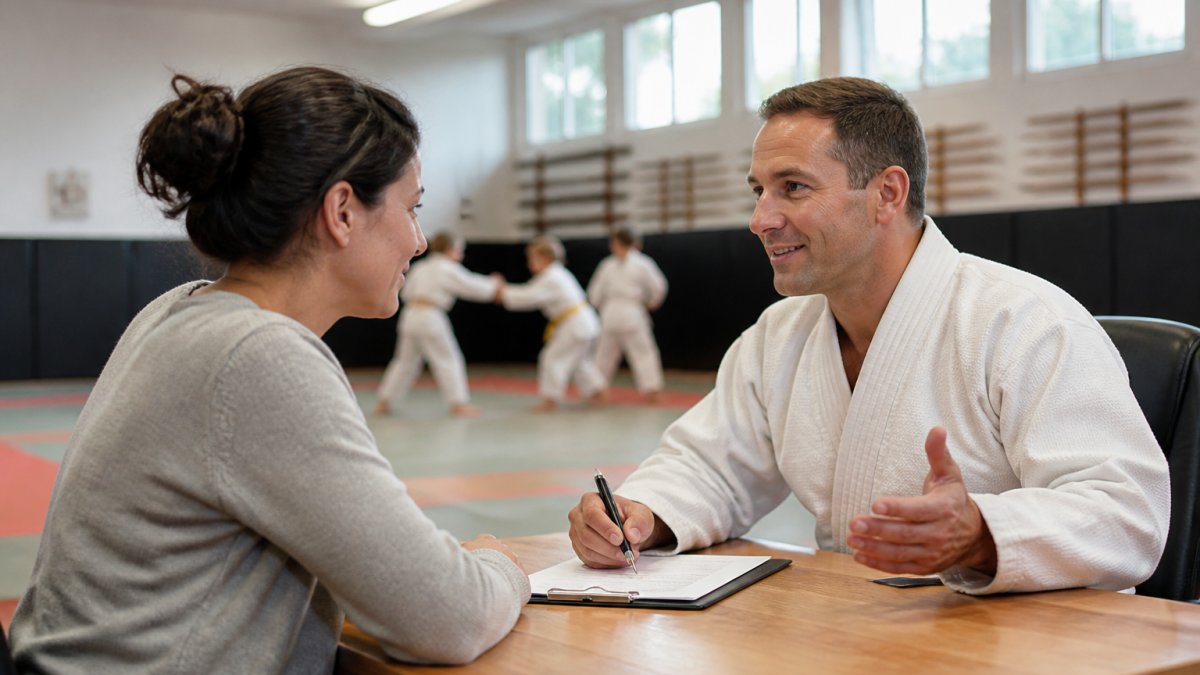
The instructor should also ask about your goals, prior training, and any injuries or physical limitations. If they skip these questions, that's a red flag, since a responsible instructor gathers this information to keep you safe.
Martial Arts Trial Class Etiquette and What to Bring
Martial arts schools maintain specific protocols around respect, cleanliness, and preparation. Understanding these expectations before your first class helps you fit in immediately.
Dress Code and Gear
Wear comfortable athletic clothing you can move in freely; shorts or athletic pants and a t-shirt work fine.
Bring a water bottle and leave it on the side of the mat, not on the mat itself. Wear minimal jewelry, since rings, watches, and necklaces create safety hazards during partner drills or grappling.
Arrive 10 to 15 minutes early to change, ask logistical questions, and mentally prepare. Arriving rushed creates unnecessary stress and signals disrespect for the instructor's time.
Dojo Respect and Behavior
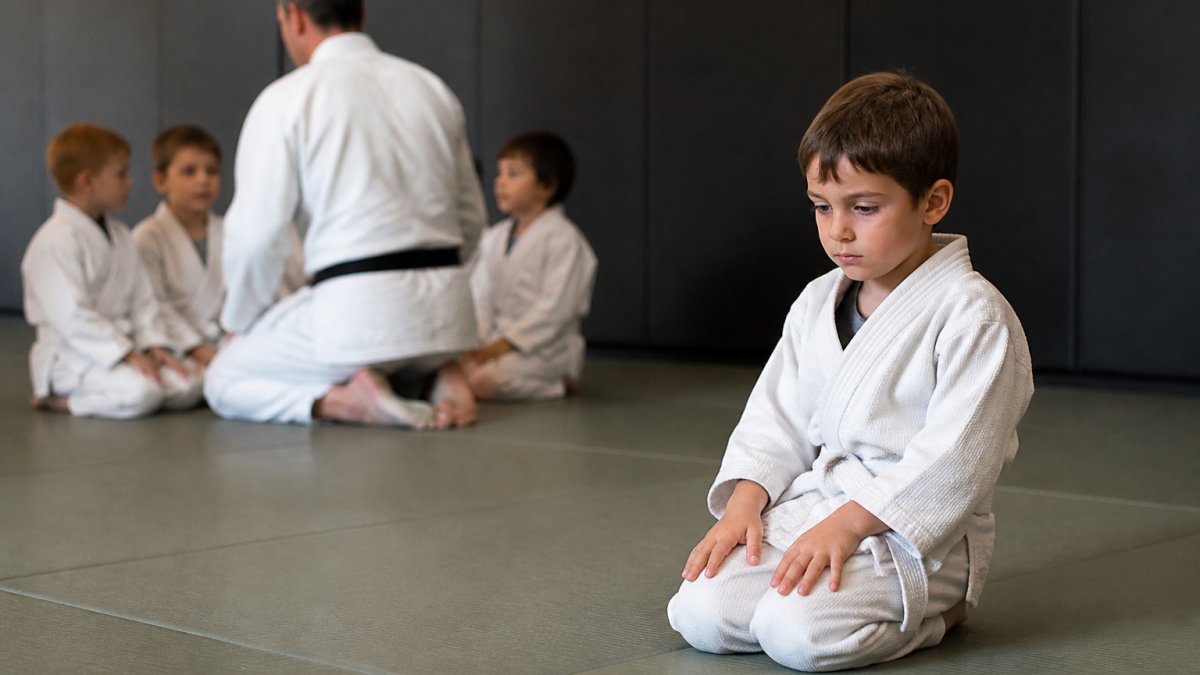
Most martial arts schools require students to bow when entering and leaving the mat.
Remove shoes before stepping on the mat, and tie back long hair. These practices prevent injuries and maintain hygiene for everyone training.
Follow the instructor's lead: line up quickly and quietly when asked, take water breaks when called, and don't modify exercises without permission. The structure exists for safety and learning.
If you're partnered for drills, communicate clearly and tell your partner if something hurts or feels unsafe. The training environment depends on honest feedback between partners.
How to Choose a Martial Arts School That Fits Your Goals
Not every martial arts school matches every family's needs. Before you book that trial class, evaluate whether the school aligns with what you're actually looking for.
Evaluating Instructor Credentials and Teaching Style
Ask about the instructor's background and certifications: how long they've trained, what rank they hold, and whether they've competed or taught in multiple styles. This indicates depth of knowledge.
Beyond credentials, observe their teaching style during the trial class. Do they explain techniques clearly? Do they offer modifications for different ages or fitness levels? Do they correct form gently or harshly?
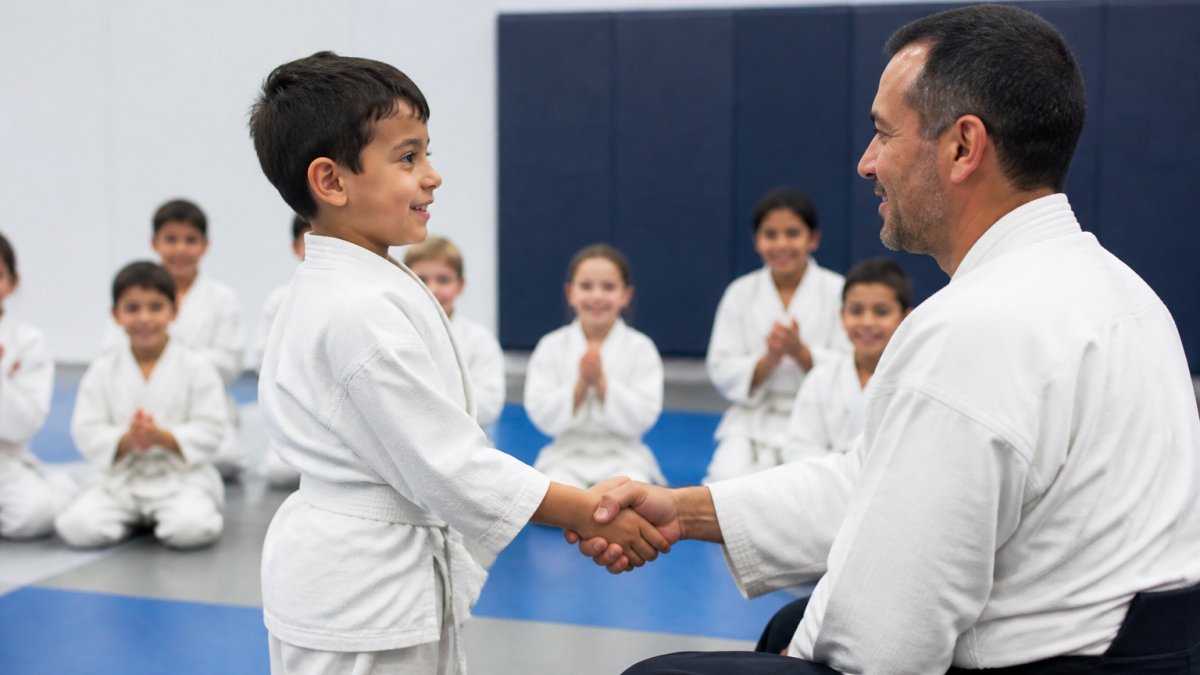
A good instructor makes beginners feel welcomed, not judged, and adjusts communication to match your child's learning style: some kids need visual demonstration, others hands-on guidance, and some learn best through verbal explanation.
Assessing Class Environment and Community
Walk through the dojo. Is it clean? Are the mats in good condition? These details reflect how seriously the school takes safety and student experience.
Observe how advanced students interact with beginners. Are they helpful and encouraging? A strong martial arts community supports newer members rather than making them feel like outsiders.
Ask about class size. Smaller classes allow more individual attention; larger classes offer more partner variety but less one-on-one feedback.
Check whether the school offers classes for your child's age group and skill level. Some dojos mix all ages; others separate kids by age or belt rank.
Checking Flexibility and No-Contract Options
Ask directly about contract requirements. Many schools offer month-to-month options; some require longer contracts. Understand the cancellation policy before you enroll.
Inquire about class flexibility. What happens if your child misses a week? Can they make up classes? Do you lose your spot if you're absent? Families with unpredictable schedules need schools that accommodate real life.
Ask about trial class terms. How long is the trial period? Can you attend multiple classes before deciding? Is the trial free, or is there a fee? Reputable schools offer genuine trials with no pressure to enroll immediately.
Karate Classes for Kids: Getting Your Child Started
Karate remains one of the most popular martial arts for children because it builds confidence while teaching practical self-defense. If your child is interested in martial arts specifically, here's what to expect.
Age-Appropriate Instruction and Progression
Martial arts schools typically divide kids into age groups: preschool (4-6 years), elementary (7-12 years), and teens (13+). Each group learns the same fundamental techniques but at developmentally appropriate paces.
Younger children focus on basic movements, following instructions, and building gross motor skills. They learn simple movements.
Elementary-age children develop more complex techniques. They learn combinations, sequences of movements strung together. They begin understanding strategy and how to apply techniques against a partner.
Teens train more like adults, with increased complexity and intensity. They learn advanced techniques, and often begin preparing for competitions if interested.
Building Confidence and Discipline Through Training
Martial arts training builds confidence in children through visible progress. Each belt rank represents mastery of specific techniques. Your child sees themselves improving week by week.
Discipline develops through consistent practice and clear expectations. Instructors require students to show up, follow instructions, and practice even when movements feel difficult.
Many parents report that their children develop better focus and listening skills after a few months of martial arts training. The structured environment and repetitive practice strengthen attention span.
Self-defense knowledge is the practical benefit. Your child learns how to escape holds, defend against strikes, and recognize dangerous situations.
Step-by-Step: How to Book Your Trial Class
The booking process is straightforward, but understanding each step removes uncertainty and helps you prepare mentally.
Finding Available Class Times
Visit the dojo's website or call directly to see the class schedule. Most schools offer multiple time slots throughout the week.
Consider your child's energy level. Some kids perform better in morning classes, others in afternoon slots. If your child has school or other activities that day, choose a time that doesn't create scheduling stress.
Ask whether class times are consistent week to week. Some dojos hold classes at the same time daily. Others rotate schedules seasonally or offer flexibility. Consistency makes it easier to build training into your routine.
Completing Your Registration
When you contact the school to book your trial, they'll ask for basic information: your name, your child's name and age, any injuries or physical limitations, and your contact details. Answer these questions honestly.
Ask about what to bring and what to wear. Confirm whether the trial class is free or has a fee. Ask if you can observe from the side of the mat or if parents wait in a lobby.
Arrive early on your first day. This gives you time to complete any paperwork and ask final questions. It also lets your child acclimate to the space before class begins.
Questions to Ask Before Committing to Membership
After your trial class, ask these questions before enrolling in a full membership:
About the Program:
- What progression system does the school use, and how long does progression typically take?
- Are there progression tests or competitions, and are they optional or required?
- What's the teaching philosophy, is it competitive, recreational, or both?
About Logistics:
- What's the monthly cost, and what does it include?
- Are there additional fees for belt tests, uniforms, or special events?
- What's the cancellation policy, and how much notice do you need to give?
- Can your child attend classes at different times if needed, or is the schedule fixed?
About Safety and Instruction:
- What's the instructor-to-student ratio in each class?
- How does the school handle injuries or concerns during training?
- Does the instructor have first aid certification?
- What's the school's policy on sparring or contact during classes?
About Your Child's Experience:
- Will your child train with the same instructor consistently, or do instructors rotate?
- How often should your child attend per week to make meaningful progress?
- What should you expect your child to practice at home between classes?
Don't rush this decision. A good school will answer these questions thoroughly and welcome your inquiry. If you feel pressured to enroll immediately or sense reluctance to answer, that's a sign to look elsewhere.
Booking your first martial arts trial class is the smartest decision you can make before committing to training. It removes guesswork and lets you evaluate whether the environment, instruction style, and community match your family's needs.
Frequently Asked Questions
What should I wear to my first martial arts trial class?
Wear comfortable, loose-fitting clothing that allows free movement, such as athletic wear or sweatpants and a t-shirt. Many dojos provide loaner gis (martial arts uniforms) for trial classes, so ask when you book. Avoid restrictive clothing, jewelry, and shoes, you'll typically train barefoot. Bring a water bottle and a towel. Check with your specific school for any additional requirements.
How long does a typical martial arts trial class last?
Most trial classes run 45 minutes to an hour, including warm-up, instruction, practice drills, and cool-down. This timeframe allows beginners to experience the full class structure without overwhelming them. Some schools may offer shorter introductory sessions for younger children. Always confirm the exact duration when you book your martial arts trial class so you can plan accordingly.
Is a martial arts trial class usually free?
Many schools, including Goshinkan, offer free trial classes or introductory lessons to help you experience the training environment and teaching style before committing. Some facilities may charge a small fee or require a waiver. Always ask about trial class pricing and any requirements when you inquire. Free or low-cost trials reduce the risk of joining the wrong school and help you make a confident decision.
How do I know if a martial arts school is right for my family?
During your trial class, observe the instructor's teaching approach, the energy level of the class, and how students interact with one another. Ask about class schedules, pricing structure, and whether the school offers no-contract membership. Pay attention to safety practices, cleanliness, and whether the instructor can adapt to different skill levels. Trust your instinct, the right school should feel welcoming and aligned with your family's goals for discipline, fitness, and personal growth.