 blog
Find Local Martial Arts Classes: 2026 Parent & Adult Guide
Table of Contents
- Start Here: How to Find Local Martial Arts Classes That Fit Your Family
- How to Choose a Martial Arts School: A Practical Comparison Framework
- Questions to Ask a Martial Arts Instructor Before You Enroll
- Martial Arts Class Cost: What Drives the Monthly Tuition
- What to Expect at a Martial Arts Trial Class (and How to Use It)
- Safety, Child Protection, and Schedule Fit: The Details Parents Miss
- Conclusion: Build Your Shortlist and Book a Free Class
- Frequently Asked Questions
Last Updated: October 17, 2026
Start Here: How to Find Local Martial Arts Classes That Fit Your Family
Finding local martial arts classes that fit your family takes a shortlist, the right questions, and one trial visit. This guide from Goshinkan Jujitsu Dojo walks you through all three, so you can compare schools on substance instead of marketing.
A good program teaches technique and values together: students learn to defend themselves, but also to listen, wait their turn, and keep going when a drill gets hard.
Below, we break down the styles you'll see and how to test a school before you commit.
What a Good Local Program Actually Looks Like
A strong local program has three things: an experienced lead instructor, a clear beginner pathway, and a schedule that matches real family life.
Look for a school that separates beginners from advanced students, at least at the start.
You should also be able to watch a class before enrolling. Any school that won't let you observe or try a session is telling you something.
Styles You'll See: Karate, Taekwondo, Jiu-Jitsu, MMA, and More
Each style teaches self-defense, but the emphasis differs. Karate and Taekwondo lean on strikes and forms. Brazilian jiu-jitsu and traditional Jiu-jitsu focus on grappling and ground control.
Kali and Isshinryu round out the options in many areas, and some schools offer Olympic-focused training for competition-minded students.
The right pick depends on your goals. A shy child often thrives in grappling, which builds confidence through close, controlled contact.
How to Choose a Martial Arts School: A Practical Comparison Framework
Choosing a martial arts school comes down to five filters: style, age fit, class size, instructor experience, and schedule. Score each school against all five.
Here's a simple framework you can copy:
| Filter | What to Check | Why It Matters |
|---|---|---|
| Style | Striking, grappling, or mixed | Must match the student's goal |
| Age fit | Grouped by age range, beginner track | Beginners learn faster with peers |
| Class size | Student-to-instructor ratio | More attention, fewer bad habits |
| Instructor | Experience and teaching style | Sets the tone for the whole program |
| Schedule | Class times and makeup options | Determines whether you actually attend |
Most families rank schedule last. That's backwards: a perfect school you can't reach on a Tuesday is not one you'll stay with.
Match the Style to the Student
Match the style to the person, not a trend. Younger kids do well with Taekwondo or karate, which reward focus and repetition. Older kids and teens often enjoy jiu-jitsu, kickboxing, or MMA because the training feels more physical.
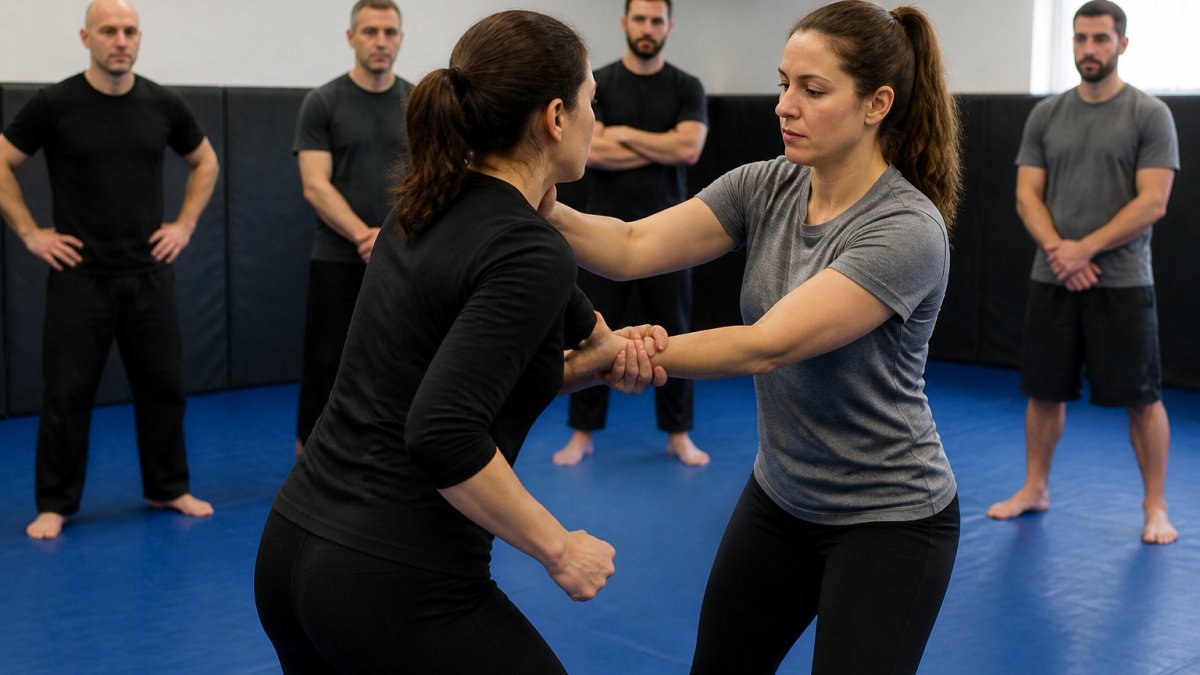
Adults have the widest range of options. Someone who wants fitness and self-defense together will get more from grappling; someone chasing cardio and striking will prefer Muay Thai or kickboxing.
Age Groups, Class Sizes, and Instructor Experience
Ask how the school groups students. Programs that split kids, teens, and adults, and further separate beginners, produce better results than one-size classes.
Class size matters more than most parents expect.
Instructor experience is the single biggest factor. A lead instructor with years of teaching beginners handles a nervous first-timer far better than a talented competitor with no coaching background.
Questions to Ask a Martial Arts Instructor Before You Enroll
The right questions to ask a martial arts instructor cover safety, teaching method, pricing, and exit terms. Ask before you sign anything.
Bring this list to your visit:
- How long have you taught beginners, and who leads the beginner class?
- What is the student-to-instructor ratio in a typical class?
- How do you handle a child who is shy or anxious?
- What safety and child-protection practices do you follow?
Martial Arts Class Cost: What Drives the Monthly Tuition
Most schools won't publish tuition, which makes comparison hard. Ask for a full written cost sheet and compare the same line items across every school on your shortlist.
The Line Items That Make Up the Real Cost
Ask every school to break pricing into these categories, in writing:
| Line item | What to ask | Typical range |
|---|---|---|
| Monthly tuition | Per student, per month, for a set number of classes per week | $90-$200 |
| Registration / enrollment fee | One-time, sometimes waived on promotion | $0-$150 |
| Uniform (gi) | Included or separate | $40-$120 |
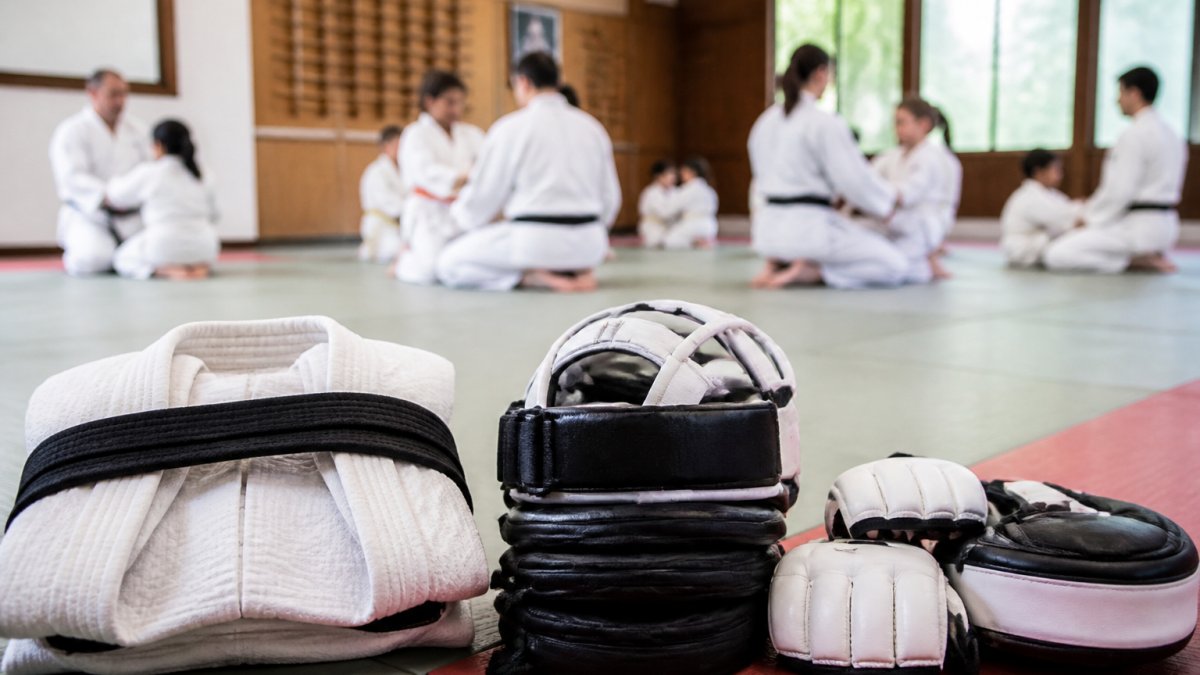
| Sparring gear | Required for contact styles (headgear, gloves, shin guards, mouthguard) | $80-$250 |
| Belt testing fees | Per rank, per promotion cycle | $25-$75 each |
| Tournament / seminar fees | Optional, but often expected for competitors | $40-$150 per event |
| Family discount | Second and third student in the same household | 10%-20% off |
| Annual or maintenance fee | Sometimes charged once a year | $0-$100 |
How Class Frequency Changes the Math
Two classes per week is the most common plan for kids and beginners. One class per week is cheaper but slows progress, most instructors say a once-a-week student takes roughly twice as long to reach the same rank.
When you compare schools, divide monthly tuition by the classes actually included. A $140/month plan with eight classes is $17.50 per class; a $110/month plan with four classes is $27.50. The cheaper headline is the more expensive program.
Contracts, Cancellation, and What to Confirm in Writing
Get four things in writing before you pay anything:
- The exact monthly amount and what it includes.
- The length of any commitment (month-to-month, six months, twelve months).
- The cancellation process, who you notify, in what form, and how much notice is required.
- Which fees are non-refundable (registration, testing, gear).
A common pattern is a low introductory offer, often $19-$49 for two to four weeks, that converts into a twelve-month agreement if you don't cancel in writing within a short window. Read that deal before you sign. If a school won't put cancellation terms in writing on the first visit, treat that as a signal.
At Goshinkan Jujitsu Dojo, we keep membership simple and contract-free so families can start without a long commitment, and we're happy to walk you through current pricing before you decide.
What to Expect at a Martial Arts Trial Class (and How to Use It)
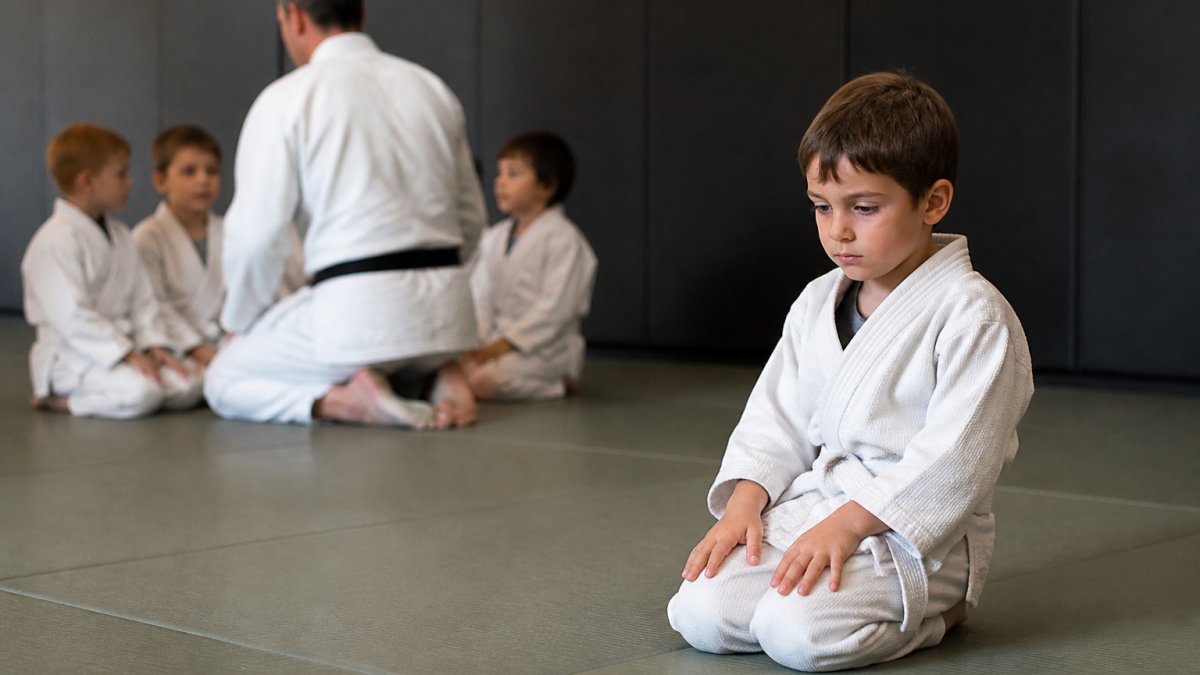
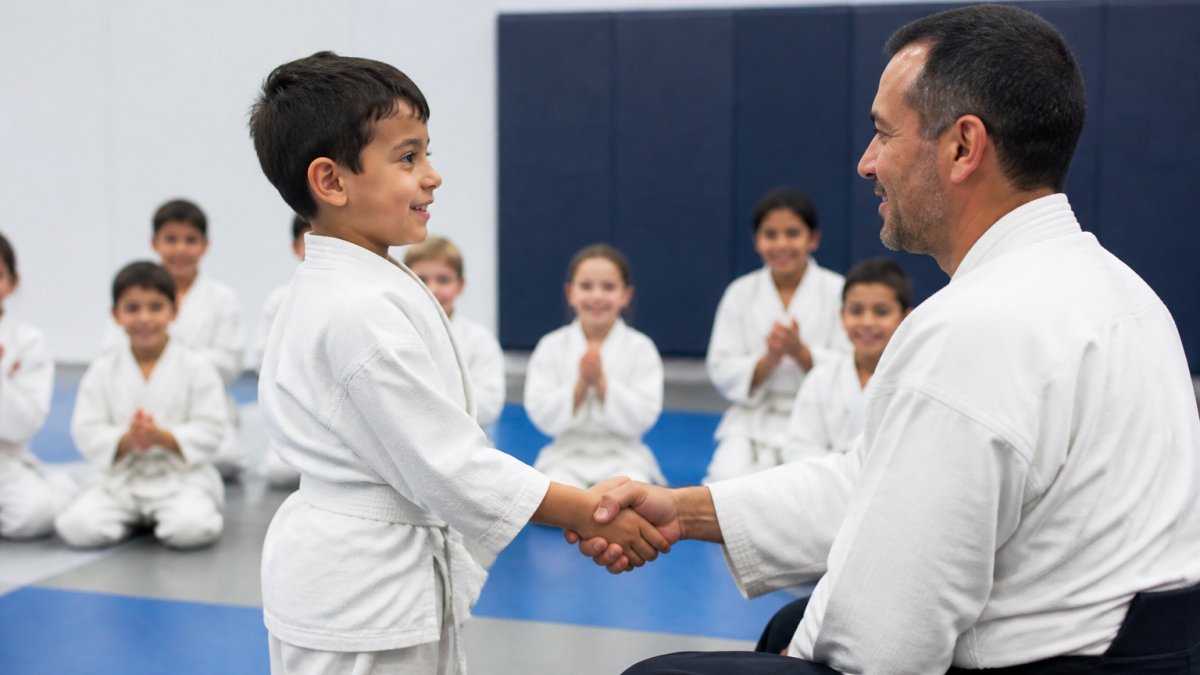
A trial class usually starts with a warm-up, moves into basic technique drills, and ends with a cool-down and a bow.
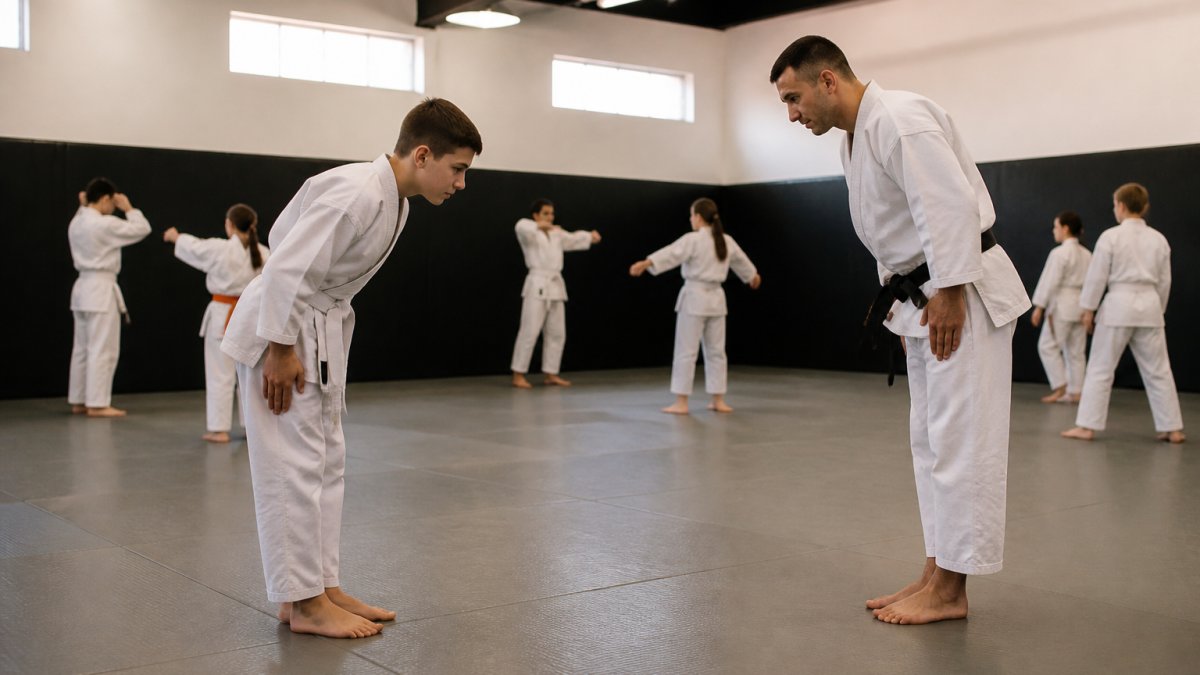
Use the visit as a test, not a formality. Watch how the instructor handles the least confident student in the room.
Arrive early, stay for the whole class, and ask your child one question afterward: "Did you have fun?" Enjoyment predicts retention better than any brochure.
Safety, Child Protection, and Schedule Fit: The Details Parents Miss
Safety and schedule fit are the two details parents most often skip, and the two that decide whether a program lasts. This is where careful comparison pays off most.
Safety Practices You Can Verify, Not Just Ask About
"We take safety seriously" is not a policy. These are the practices you can actually confirm:
- Background screening. Ask whether every instructor and assistant who works with minors has passed a criminal background check, and how often it's repeated. A serious school re-screens on a set cycle and can tell you what that cycle is.
- Instructor certification in first aid and CPR. Ask to see current cards. The American Red Cross and the American Heart Association both offer the standard certifications most schools reference.
- Written injury protocol. Ask what happens when a student is hurt: who administers care, when 911 is called, how parents are notified, and where the incident report goes.
- Mat hygiene. Mats should be cleaned on a posted schedule, not just when they look dirty. Ask how often, and with what.
Child-Protection Questions to Ask Directly
These are uncomfortable to ask and important to ask anyway:
- Are one-on-one instruction sessions ever held behind closed doors? (The answer should be no.)
- Is there a written policy on physical contact between instructors and students, and is it posted?
- How are bathroom breaks handled for younger students?
- Who is on the floor during a kids' class, and what is the adult-to-student ratio?
- Is there a process for a parent to raise a concern, and who receives it?
A school that answers these without hesitation is telling you something. So is a school that doesn't.
Accessibility, Makeup Classes, and Irregular Work Hours
Schedule fit is the quiet deal-breaker. Before you enroll, confirm:
- Evening and weekend availability. Most working parents need a class after 6 p.m. or on Saturday morning. If the only beginner slot is 4 p.m. on a Tuesday, the program won't survive your calendar.
- Makeup policy. Ask whether a missed class can be made up in a different session within the same week, and whether that's capped. Some schools allow unlimited makeups; others allow none.
- Freeze or pause options. If your family travels or has a busy season, can you pause tuition for a month? What does that cost?
- Accessibility. Parking, step-free entry, and proximity to public transit matter more than most families expect, especially if a grandparent or older sibling will be doing drop-off.
- Class size at the times you'd actually attend. A school may cap its popular 6 p.m. class at 12 students and let its 4 p.m. class run at 25. Ask about the specific slot you'd be in.
If your work hours shift week to week, ask how the school handles missed classes before you enroll. A rigid schedule can quietly cost you money even when tuition looks reasonable.
Conclusion: Build Your Shortlist and Book a Free Class
Comparing schools on style, class size, instructor experience, and schedule will get you a shortlist in an afternoon. One trial class tells you the rest.
At Goshinkan Jujitsu Dojo, we teach students of all ages and skill levels in a community-focused environment. Our expert instructors build focus, discipline, and self-confidence while teaching practical self-defense, and our inclusive, contract-free approach means you can start without pressure.
Book a free class with Goshinkan Jujitsu Dojo and see how your family fits before you commit.
Frequently Asked Questions
How do I find the right martial arts classes near me?
Start by listing schools within a comfortable drive, then filter by style, age group, and class times that match your week. Check instructor experience and whether the school offers a free or low-cost trial. Visit in person to see how students and staff interact. The right fit usually comes down to schedule, teaching style, and how welcome you feel on the first visit, not the biggest sign on the building.
What should I look for when choosing a martial arts school?
Look for experienced instructors, clearly separated age groups, and a structured curriculum that builds from beginner to advanced. Ask about class sizes, safety practices, and whether the school runs background checks on staff who work with children. Confirm the monthly tuition, any fees, and the cancellation policy in writing. A short trial class tells you more than any brochure about how the school actually runs day to day.
How much do martial arts classes typically cost?
Monthly tuition varies by program, location, class frequency, and whether the school includes belt testing or uniforms. Some programs charge a flat monthly rate, while others add registration or equipment fees. Ask each school for a written breakdown of everything you'll pay, including any testing or tournament costs. Pricing depends on the program, so request a current quote directly from the school before you commit.
Can I try a martial arts class before signing up?
Most schools offer a free or low-cost trial class, and you should take it. Use the trial to check the warm-up pace, how the instructor handles beginners, and whether your child (or you) feels comfortable with the group. Arrive early, watch the previous class, and ask about the cancellation process before you sign anything. A trial class is the cheapest way to avoid a bad fit.