 how-to
How to Get Kids Off Screens: A Step-by-Step Plan
Table of Contents
- Why Getting Kids Off Screens Starts With a Plan, Not a Ban
- Kids Screen Time Limits by Age: What to Aim For
- How to Reduce Screen Time for Kids Without a Meltdown
- How to Handle Screen-Time Tantrums and Resistance
- Screen-Free Activities for Kids That Actually Compete With Devices
- When Limits Trigger Persistent Conflict: What to Do Next
- Conclusion: Consistency Beats Perfection
- Frequently Asked Questions
Last Updated: October 16, 2026
Why Getting Kids Off Screens Starts With a Plan, Not a Ban
Most parents try to get kids off screens by announcing a ban. It rarely works. A plan works better, because it changes the routine instead of just removing the device. At Goshinkan Jujitsu Dojo, we work with families every week who want their children focused and active, and the ones who succeed are the ones with a written plan.
So here is the honest version: how to get kids off screens without turning your living room into a battleground.
The goal is not zero screen time. The goal is screen use that fits around sleep, school, meals, and movement. That shift in thinking changes everything.
Kids Screen Time Limits by Age: What to Aim For
Kids screen time limits by age give you a starting point, not a rulebook. The reason the numbers differ by age is developmental: younger children are still building the self-regulation circuits that let them stop an appealing activity, and screens affect their sleep and pretend play more sharply. Older kids need room to negotiate, or they push back harder and the rule collapses.
One thing most age charts skip: not all screen time is the same. A 45-minute video call with a grandparent, a school research session, and an autoplay video feed are three different activities. Passive viewing and endless short-form feeds are the hardest to stop and the easiest to overdo. Creative tools, homework, and live conversation with people they know are easier to bound because they have a natural end. When you set a limit, name which kind of screen use you are limiting.
Toddlers and Preschoolers (Ages 2 to 5)
Keep it short, supervised, and predictable. Aim for about an hour a day of high-quality content, watched with an adult when possible. At this age, the adult is doing the regulating, so the routine matters more than the clock. No screens during meals, and none in the hour before bed. Choose slow, calm content rather than fast-cut shows, because fast pacing is harder for a young child to disengage from.
School-Age Kids (Ages 6 to 12)
Set a daily cap and protect the basics first: sleep, homework, chores, outdoor play. Many families land on one to two hours on school nights, with more on weekends. The exact number matters less than keeping it consistent. This is the age where kids can start tracking their own time and helping set the weekend number, which builds the negotiation skill you will need in a few years.
Teens (Ages 13 and Up)
Teens need limits they helped write. Focus on phone-free zones and times rather than a hard minute count, because a minute count invites a fight about the count instead of the habit. Bedtime and mealtimes are the two that matter most. Sleep protection is the priority here: a phone in the bedroom at night is the single habit most likely to erode everything else.
| Age Group | Daily Target | Protect First | Hard Rule |
|---|---|---|---|
| Ages 2 to 5 | About 1 hour | Sleep and play | No screens before bed |
| Ages 6 to 12 | 1 to 2 hours | School and outdoor time | Screens off at meals |
| Teens | Limits they help set | Sleep and homework | Phone-free bedtime |
How to Reduce Screen Time for Kids Without a Meltdown
You reduce screen time for kids by cutting back slowly and warning them before it ends. Cold turkey triggers resistance. A gradual reduction gives the brain time to adjust.
Set Realistic Goals and Track Progress
Pick one change for the first two weeks. Not five. One.
- Choose a single target, like no screens at dinner
- Write it down where everyone can see it
- Track it on a simple calendar with a checkmark
- Review it together every Sunday
Small wins build trust. Trust makes the next limit easier.
Use Transition Warnings and Countdowns
A transition warning is a heads-up before screen time ends. It removes the surprise that causes most tantrums.
- Give a 10-minute warning
- Give a 5-minute warning
- Give a 1-minute countdown
- Name what comes next: "Then we eat"
How to Handle Screen-Time Tantrums and Resistance
Screen-time tantrums are normal, especially in the first two weeks. They are a sign the routine is changing, not a sign the plan failed. Stay calm, stay short, and stay consistent.
What to do in the moment:
- Keep your voice low and steady
- Repeat the rule once, not five times
- Offer two choices, both screen-free
- Do not negotiate while the meltdown is happening
What not to do:
- Do not cave to end the noise
- Do not lecture during the tantrum
- Do not threaten a punishment you will not follow through on
Follow-through is the whole game. One exception teaches a child that persistence works.
Screen-Free Activities for Kids That Actually Compete With Devices
Screen-free activities for kids work when they are active, social, or genuinely fun. Boredom is not the enemy. Boredom is where creative play starts.
Physical and Outdoor Options
Movement is the fastest way to break a screen habit. A tired body sleeps better and craves the device less.
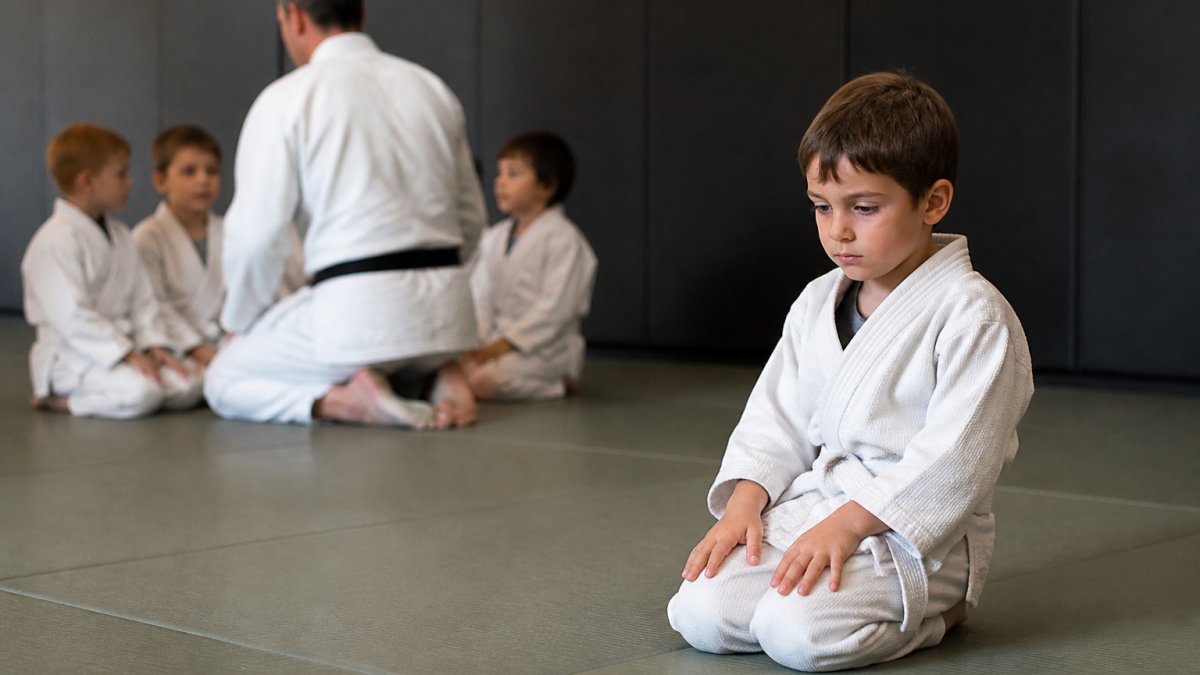
- Martial arts classes build focus, discipline, and confidence
- Bike rides, tag, and backyard games
- Walks after dinner as a family
- Sports leagues or swim lessons
Creative and Social Options
Hands-on and people-facing activities fill the gap screens leave behind.
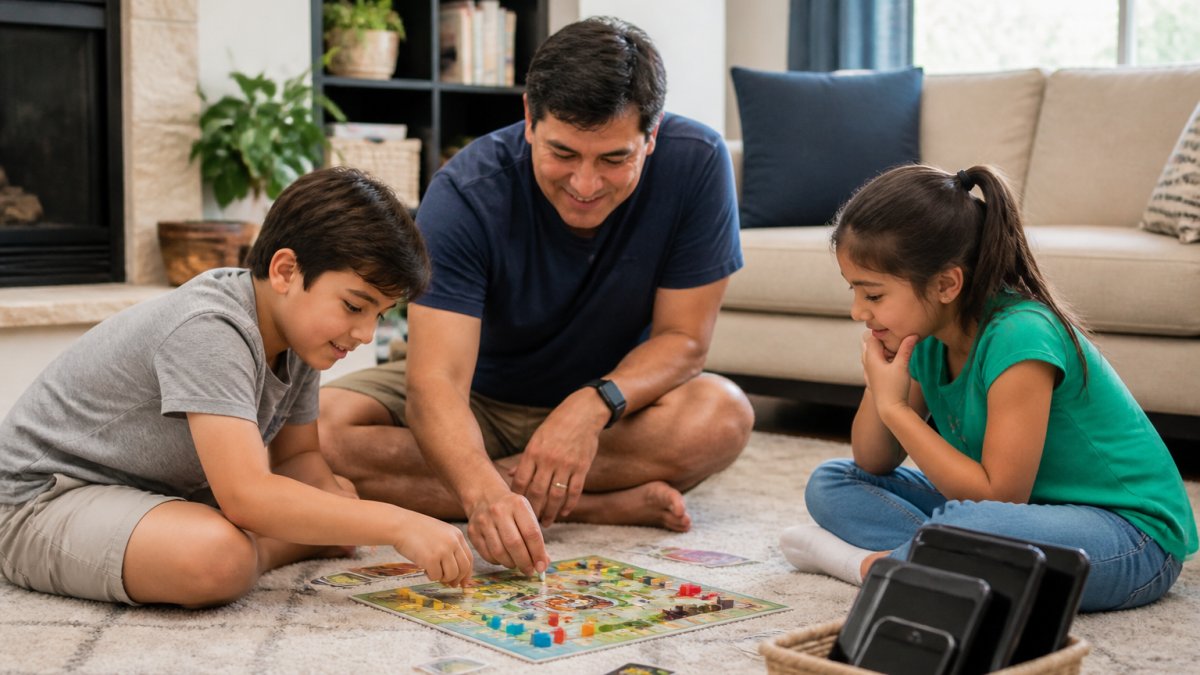
- Board games and card games
- Drawing, building, or crafts
- Cooking together
- Playdates and neighborhood meetups
American Academy of Pediatrics guidance on healthy media use
When Limits Trigger Persistent Conflict: What to Do Next
Persistent conflict means the plan needs adjusting, not abandoning. If every limit turns into a fight for weeks, something is off. Look at the plan, not the child. Most guides stop at "stay consistent." That is true but useless in the moment. Here is what to actually do.
Separate the meltdown from the limit
A meltdown is a nervous-system event, not a negotiation. During one, the thinking part of a child's brain is offline, so reasoning, lecturing, and bargaining all fail. Your job in the moment is to keep everyone safe and keep the rule unchanged. Your job afterward, when everyone is calm, is to look at whether the limit itself needs to shrink.
Try these steps:
- Shrink the goal to something smaller
- Move screen time earlier in the day, when your child has more regulation to spend
- Add a transition routine with a countdown
- Check whether the child is tired, hungry, or overwhelmed
- Get the other adults in the house on the same page
Scripts that lower the temperature
Short, boring, repeatable lines work better than explanations. Pick two or three and use the same words every time:
- "I know. It's hard to stop. The timer says one more minute."
- "I'm not talking about the rule right now. I'm sitting here with you until your body is calm."
- "You can be mad. You can't hit. When you're ready, we'll pick what's next."
- "Asked and answered. I love you. The answer is still no."
What not to do:
- Do not cave to end the noise
- Do not lecture during the meltdown
- Do not threaten a punishment you will not follow through on
- Do not add a new consequence mid-meltdown; it becomes a second fight
Follow-through is the whole game. One exception teaches a child that persistence works.
When a child needs a different transition speed
Some children, including neurodivergent kids, need more warning, more repetition, and more predictability. That is not defiance. That is a different transition speed. Meet them where they are. Practical adjustments that help:
- Give warnings further out, not just at 10, 5, and 1 minute
- Use the same visual timer every time so the cue is identical
- Write or draw the sequence of what happens next
- Let the child press the button that ends the session, so they have a role in the stop
- Reduce background noise and screen brightness before the transition
- Keep the words the same each time; novelty adds load
When to bring in outside help
Occasional hard transitions are normal. Consider talking to your child's pediatrician or a licensed mental health professional if you see any of these over several weeks:
- Aggression that hurts someone or damages property
- Screens crowding out eating, sleeping, or school almost every day
- Withdrawal from friends or activities they used to enjoy
- Conflict that is straining your relationship with your child
- Any talk of self-harm, which warrants immediate professional help
CDC information on children's mental health and screen habits
Conclusion: Consistency Beats Perfection
You will not get this right every day, and you do not need to. The families who succeed are the ones who keep the routine steady and forgive the slip-ups.
If you want a screen-free activity your child will actually look forward to, Goshinkan Jujitsu Dojo offers expert-led classes that build focus, discipline, and self-confidence. Our instructors welcome complete beginners, and our community-oriented dojo helps kids make friends while they train. Book a free class and give your child a place to grow off the couch.
Frequently Asked Questions
How long does it take to detox a child from screen time?
Most families see the hardest resistance in the first three to five days, with noticeable calm by the end of two weeks. A gradual reduction works better than quitting cold turkey, especially for kids who use screens daily. Start by cutting 30 minutes per day, hold that limit for a week, then reduce again. Track bedtimes, morning moods, and how quickly your child finds something else to do. Those signals tell you more about progress than the clock does.
How can I get my child to stop using screens without a tantrum?
Give a warning before screen time ends. A five-minute and a two-minute countdown lets kids prepare mentally, which prevents most meltdowns. Pair the warning with a transition routine, like a snack, a walk, or a specific game waiting on the table. If a tantrum still happens, stay calm and follow through with the limit you set. Backing down teaches that tantrums work. Consistency over a few weeks makes the transition routine feel normal.
What are some screen-free activities for kids that hold their attention?
The activities that work best are active, social, or skill-based. Outdoor play, biking, and backyard games burn energy. Creative options like building, drawing, and cooking keep hands busy. Structured programs such as martial arts add discipline, listening practice, and a peer group, which is why many families use them as a weekly anchor. Rotate three or four options instead of offering a long list, and let your child pick, since choice reduces resistance.
What if screen-time limits cause ongoing conflict in our house?
Persistent conflict usually means the limit is unclear or the replacement activity is missing. Write family rules down together, including when screens are allowed and where they stay at bedtime. Get every caregiver, including co-parents and grandparents, following the same rules. If conflict continues past two or three weeks, look at what your child is giving up. Kids fight hardest when screen time is their only source of fun or social contact, so build alternatives first.
A challenge comes with every plan: the first hard week. That is exactly when a steady routine and a supportive community help most. At Goshinkan Jujitsu Dojo, our expert instructors, welcoming environment, and focus on discipline and perseverance give kids a screen-free activity they want to return to. Book a free class and see how your child responds.